🎶 Flamenco Music: The Soul of Andalusia 💃
Flamenco is a deeply expressive art form that originated in Andalusia, southern Spain, blending singing (cante), dancing (baile), and guitar playing (toque) into a powerful emotional experience. It’s not just music—it’s a visceral storytelling tradition rooted in centuries of cultural fusion.
🌍 Origins and Influences
Flamenco emerged from the Gitano (Roma) communities in Andalusia during the late 18th century, absorbing elements from Andalusian folk music, Islamic chants, Jewish psalms, and Indian rhythms brought by nomadic peoples. This melting pot of influences gave Flamenco its haunting melodies and intricate rhythms.
🎤 Core Elements
- Cante: The vocal component, often raw and intense, expressing themes of love, loss, and longing.
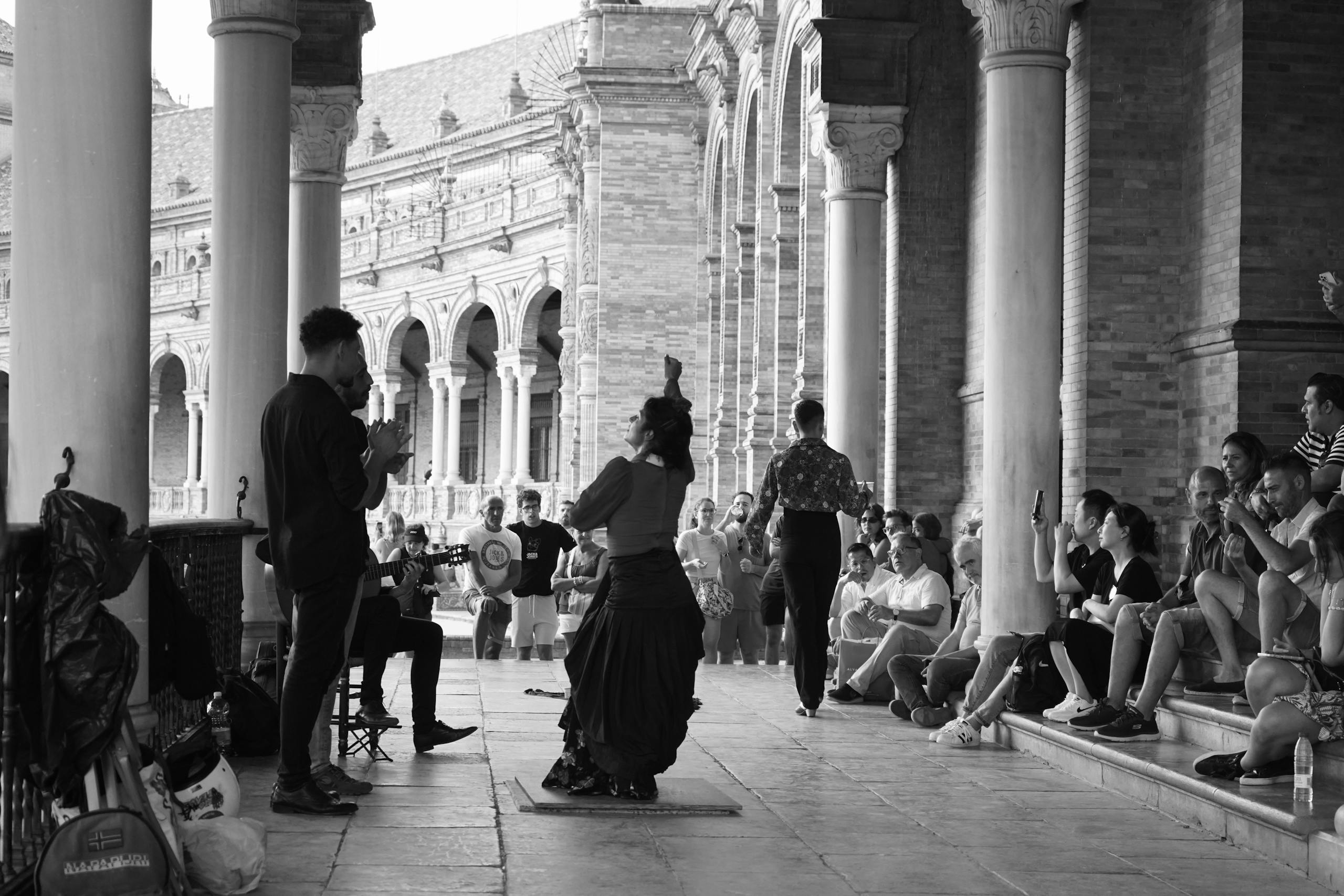
- Baile: Flamenco dance is dramatic and passionate, with precise footwork and expressive gestures.
- Toque: The guitar accompaniment, known for its complex fingerpicking and rhythmic flourishes.
🎼 Styles and Subgenres
Flamenco includes a wide range of styles, from the joyful alegrías to the sorrowful soleá and the fiery bulerías. Each style carries its own rhythm, mood, and cultural significance.
🏆 Cultural Recognition
In 2010, Flamenco was declared a UNESCO Intangible Cultural Heritage, recognizing its importance as a living tradition that continues to evolve and inspire artists worldwide.
🕊️ More Than Performance
Flamenco is a form of emotional release and identity, especially for the Gitano people. It’s performed in intimate settings like tablaos and family gatherings, as well as on grand stages across the globe